What started as a question on a comprehension quiz turned into a hands-on science lesson for second grade students at Steele Elementary.
Students in Ms. Johnson’s class have been learning about the scientific process. Last week, they read Ada Twist, Scientist and spent time learning important vocabulary connected to the story and the scientific process.
As part of a comprehension quiz, students were asked a simple question: "If you could do an experiment, what would you do?"
Two students had the same idea: Put Mentos into a bottle of Coke and see what happens.
Ms. Johnson decided their idea was worth investigating.
Rather than simply demonstrating the experiment for students, she used their idea as an opportunity to walk the class through the scientific process from beginning to end.
Students first developed the question they wanted to investigate. They then created a hypothesis, making a prediction about what they thought would happen. From there, they planned their experiment and created a list of the materials they would need.
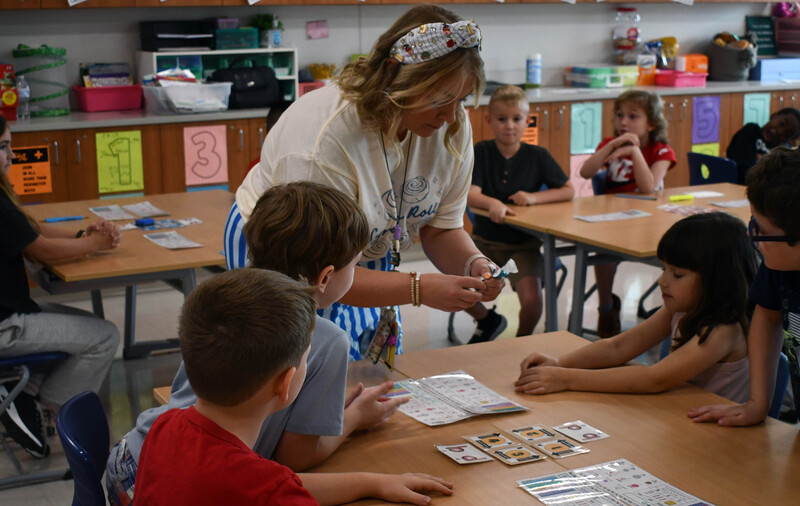
Before the experiment began, students also had the opportunity to get a closer look at one of the materials they would be using: the Mentos.
Each student got to examine a Mentos and even try one, giving them a chance to see, touch, and taste the candy before using it as part of the experiment. This simple step helped students understand that scientists often begin by observing and learning about the materials they are working with.
Students also learned about variables and data collection, building an understanding of how scientists conduct experiments and record what they observe.
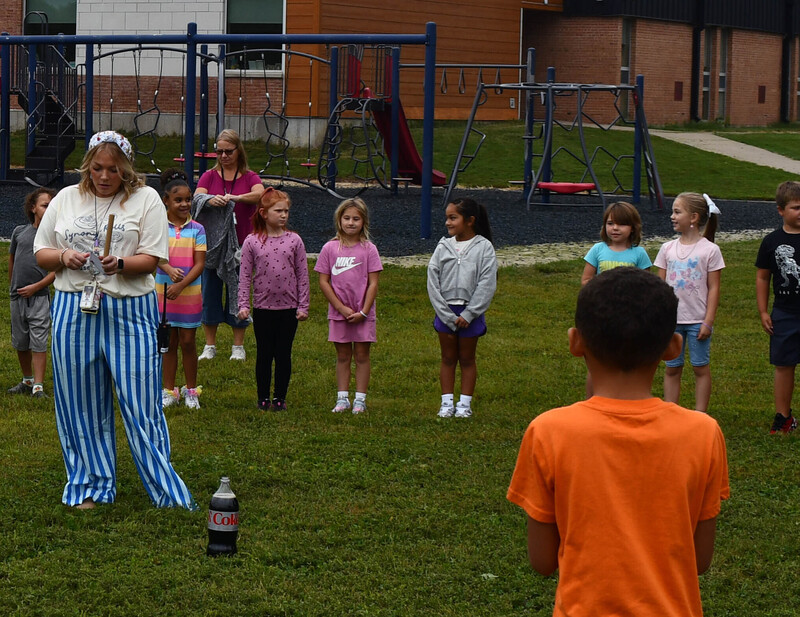
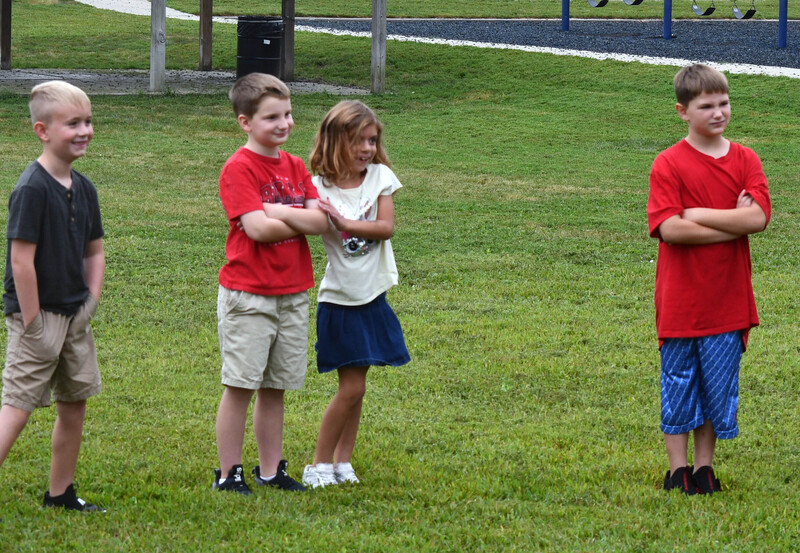
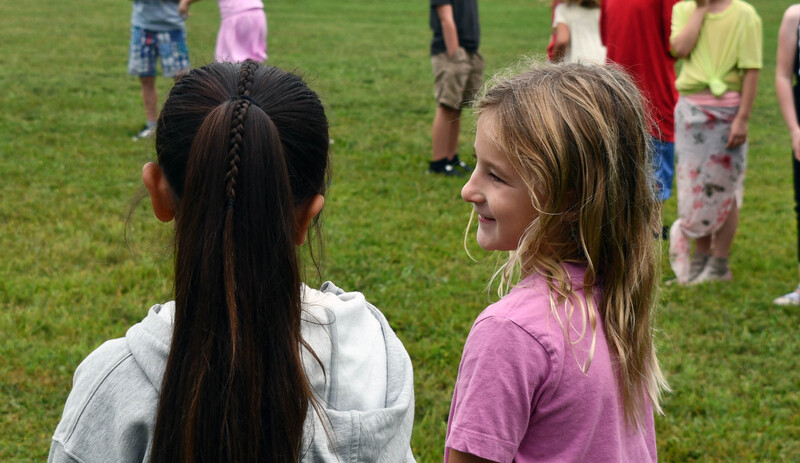
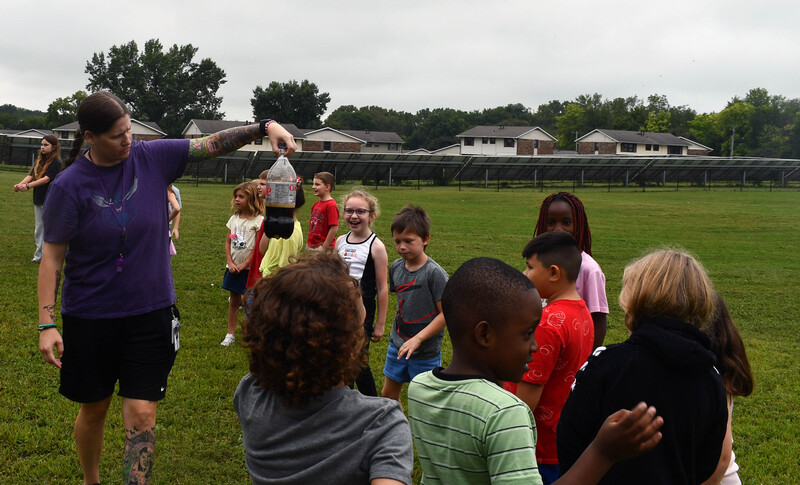
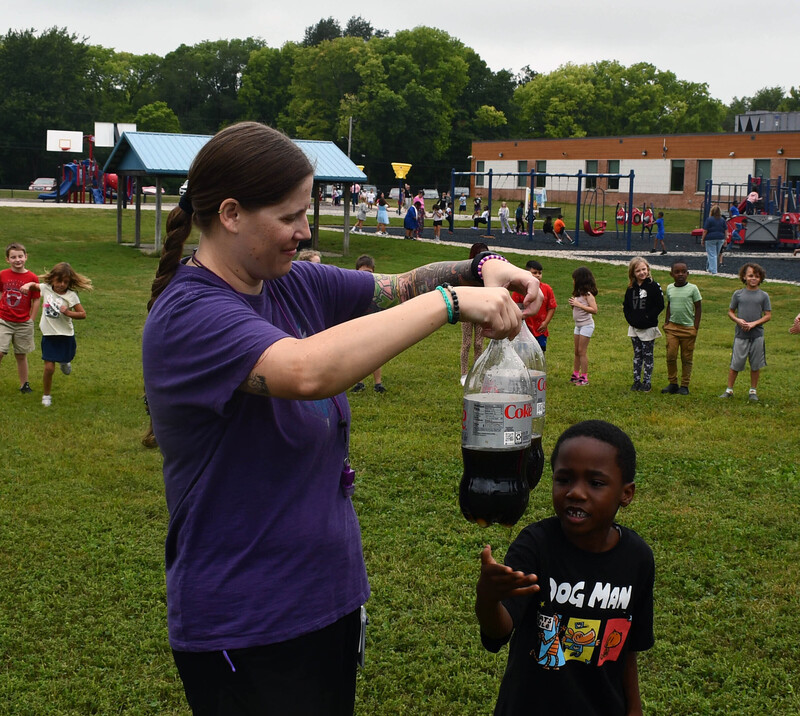
The class headed outside to observe the experiment in action. Students were asked to carefully look and listen as the Mentos were added to the Diet Coke, paying close attention to what they could see and hear.
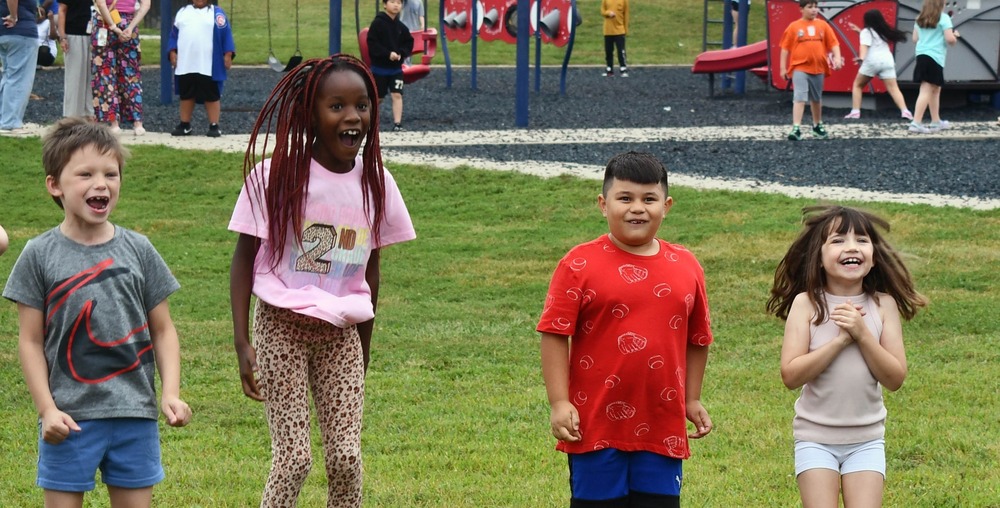
Students loved seeing their experiment come to life—and they especially loved seeing what happened when the Mentos met the Diet Coke. But beyond the excitement of the reaction, students were practicing the same process scientists use to explore questions, make predictions, conduct experiments, observe results, and collect information.
The lesson allowed students to see that science isn't just something they read about in a book. It's something they can question, investigate, observe, and experience for themselves.